
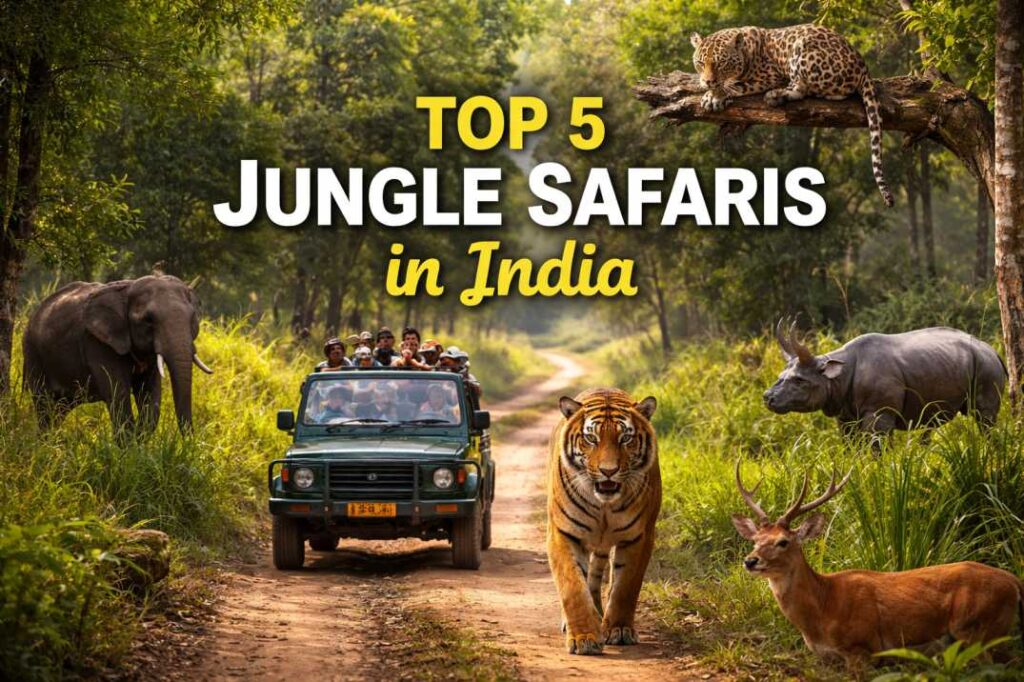

Top 5 Jungle Safaris in India
Places where the forest decides the pace is a jungle safari in India which feels different from a normal trip. You wake up early.
The road turns into dust. The phone signal fades.
Then the forest starts feeling alive.
Sometimes you see a tiger, sometimes you see nothing except trees and birds. Both experiences stay with you.
If you’re planning your first safari, you’ll probably wonder where to go. India has many national parks. Some are huge. Some are quiet. Some are known for tiger sightings.
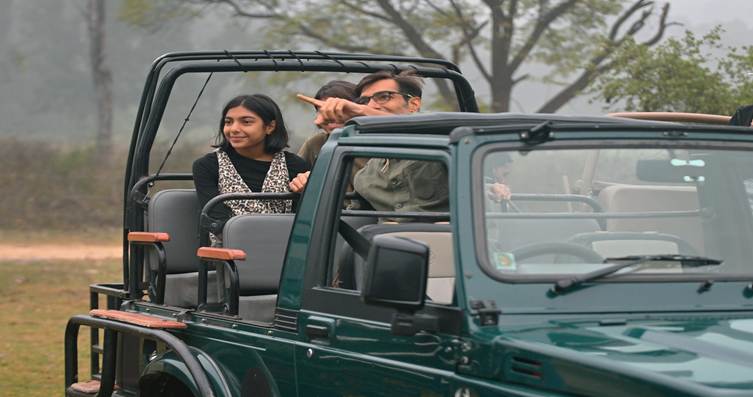
These five safaris stand out because travellers keep returning to them.
- Jim Corbett National Park
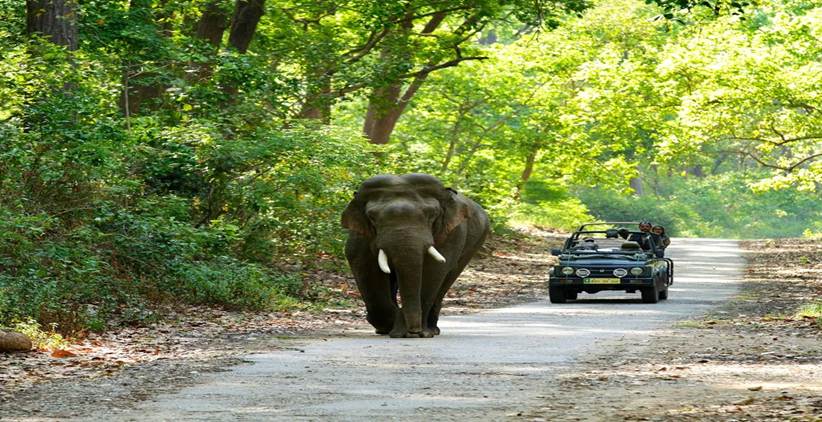
India’s oldest national park Jim Corbett feels like the starting point for many safari travellers. It was established in 1936 and still attracts wildlife lovers from across the country.
The park sits in Uttarakhand, surrounded by forests, rivers, and hills. That mix of landscape makes every safari feel different. One moment you drive through thick forest. The next moment the road opens near a riverbank.
You come here mainly for the Bengal tiger. But the park offers more than that.
You might see:
- Wild elephants crossing the track
- Deer grazing quietly
- Crocodiles resting near water
- Hundreds of bird species
The Dhikala zone remains the most talked-about area. It offers deep forest views and strong chances of wildlife sightings.
A morning safari here feels special. Cold air, Quiet roads and that moment when everyone in the jeep suddenly goes silent.
You start scanning the forest without even realising it.
- Ranthambore National Park
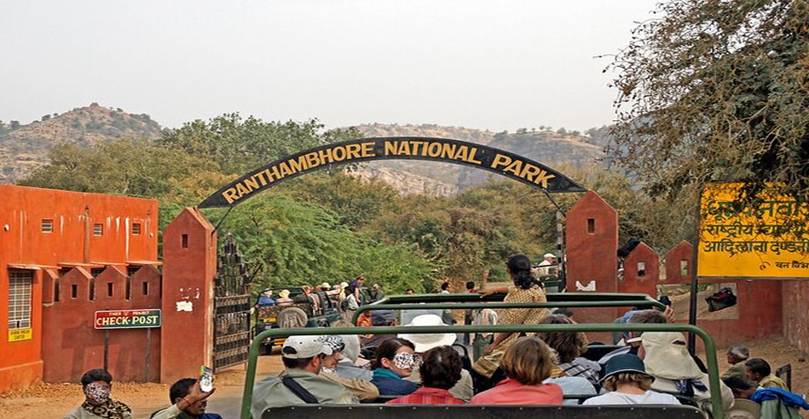
Where tiger sightings feel possible Ranthambore often appears in tiger documentaries. There is a reason for that.
The park sits in Rajasthan near Sawai Madhopur. The landscape feels dramatic. Old ruins, lakes and dry forest create a unique setting.
Tiger sightings here feel slightly more common than in many parks. Visitors often come hoping for that moment.
And when it happens, the forest changes completely.
During a safari, you might notice:
- Tigers walking near water bodies
- Leopards hiding among rocks
- Sloth bears moving through the forest
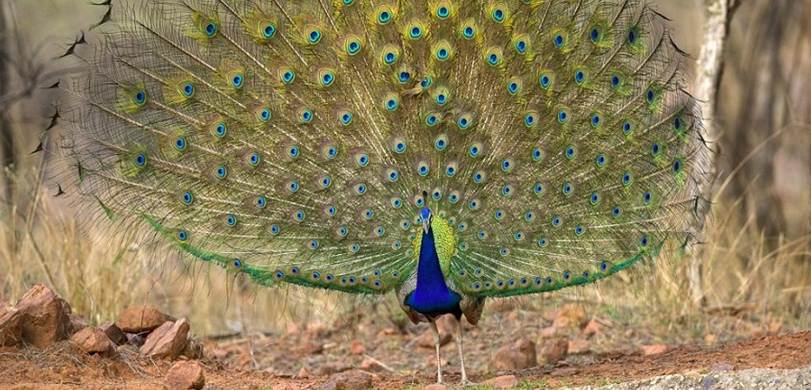
- Peacocks and deer across open fields
The Ranthambore Fort adds character to the landscape. Seeing ancient stone structures inside a wildlife park feels unusual at first.
But it works that the place feels wild and historic at the same time.
- Kaziranga National Park
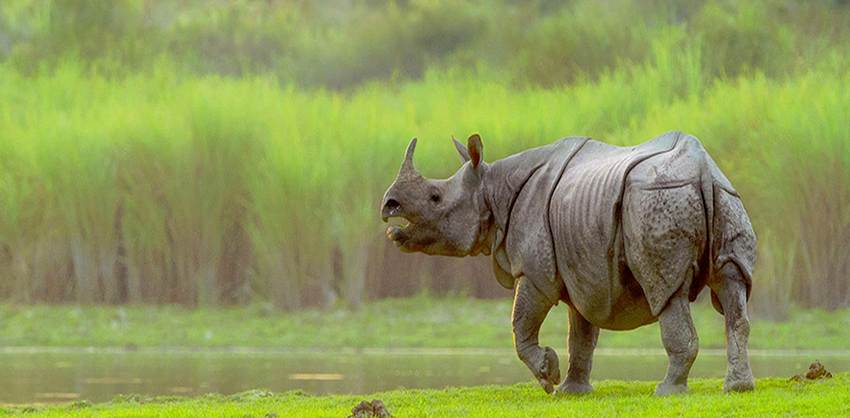
Home of the one-horned rhinoceros Kaziranga offers a very different safari experience. The park sits in Assam in northeastern India and spreads across floodplains and tall grasslands.
This park is famous for one reason.
The one-horned rhinoceros.
Kaziranga protects the largest population of these animals in the world. Seeing one from close distance feels unreal at first.
Safaris here often show:
- One-horned rhinoceros grazing in grasslands
- Wild water buffalo moving slowly
- Elephants walking through wetlands
- Migratory birds resting near water
Jeep safaris remain common, but elephant safaris also exist in some areas. Watching wildlife from elephant-back changes how the forest feels.
The tall grass sometimes hides animals until the last second. That surprise adds excitement.
- Bandhavgarh National Park
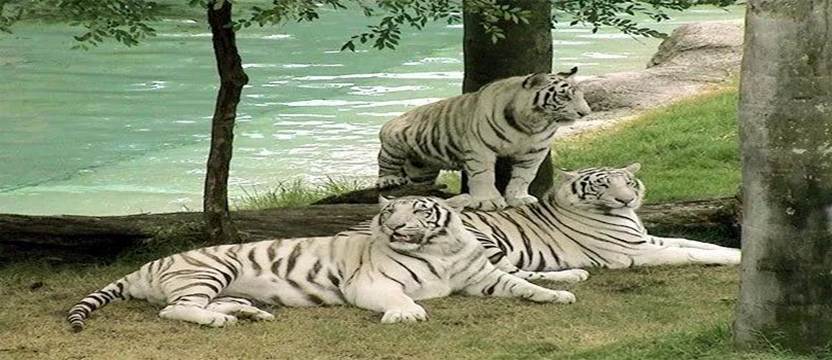
High tiger density in central India Bandhavgarh sits in Madhya Pradesh and attracts travellers who seriously want to see a tiger.
The park is not extremely large compared to others. That smaller size increases the chances of sightings in certain zones.
Tigers here often move confidently along forest tracks. Many safari drivers know individual tigers by name.
The park also offers interesting terrain. Forest hills, grasslands, and old ruins sit inside the park boundaries.
During a safari you may spot:
- Tigers resting in shade
- Leopards moving through trees
- Langurs warning the forest with loud calls
- Herds of deer crossing open spaces
The Bandhavgarh Fort ruins appear during some routes. These structures sit quietly above the forest and add a strange sense of history.
You start realising how long this land has existed before tourism arrived.
- Kanha National Park
A forest that feels endless Kanha often feels calmer than other parks. The forest stretches far and the safari routes feel peaceful.
This park inspired the setting for Rudyard Kipling’s Jungle Book. Once you enter the forest, it becomes easier to understand why.
Wide meadows open between dense forest patches. Wildlife moves slowly across these spaces.
Kanha safaris often show:
- Barasingha deer in grasslands
- Tigers moving near water bodies
- Jackals crossing forest paths
- Birds calling from tall trees
The park protects the rare barasingha deer. Conservation efforts helped bring the species back from near disappearance.
When you sit quietly in the jeep, the forest begins to feel balanced. Nothing rushed. Nothing forced.
Just nature moving at its own rhythm.
Tips before booking a jungle safari in India
A safari works differently from other trips. Planning helps.
Before you book, think about a few things.
Choose the right season. Most parks open between October and June.
Book safaris early. Popular parks fill quickly.
Carry basic items:
- Neutral coloured clothes
- Binoculars
- Water bottle
- Camera with zoom lens
And keep expectations realistic. You may see a tiger. You may not. But the forest itself becomes the experience.
Why jungle safaris in India feel memorable
The forest teaches patience. That sounds simple, but it changes how you observe things.
You notice small details. Animal tracks. Alarm calls from monkeys. Birds suddenly flying away.
You stop checking your phone and when wildlife finally appears, even if it’s just a deer walking across the road, the moment feels real.
That feeling is why people return to these forests again.